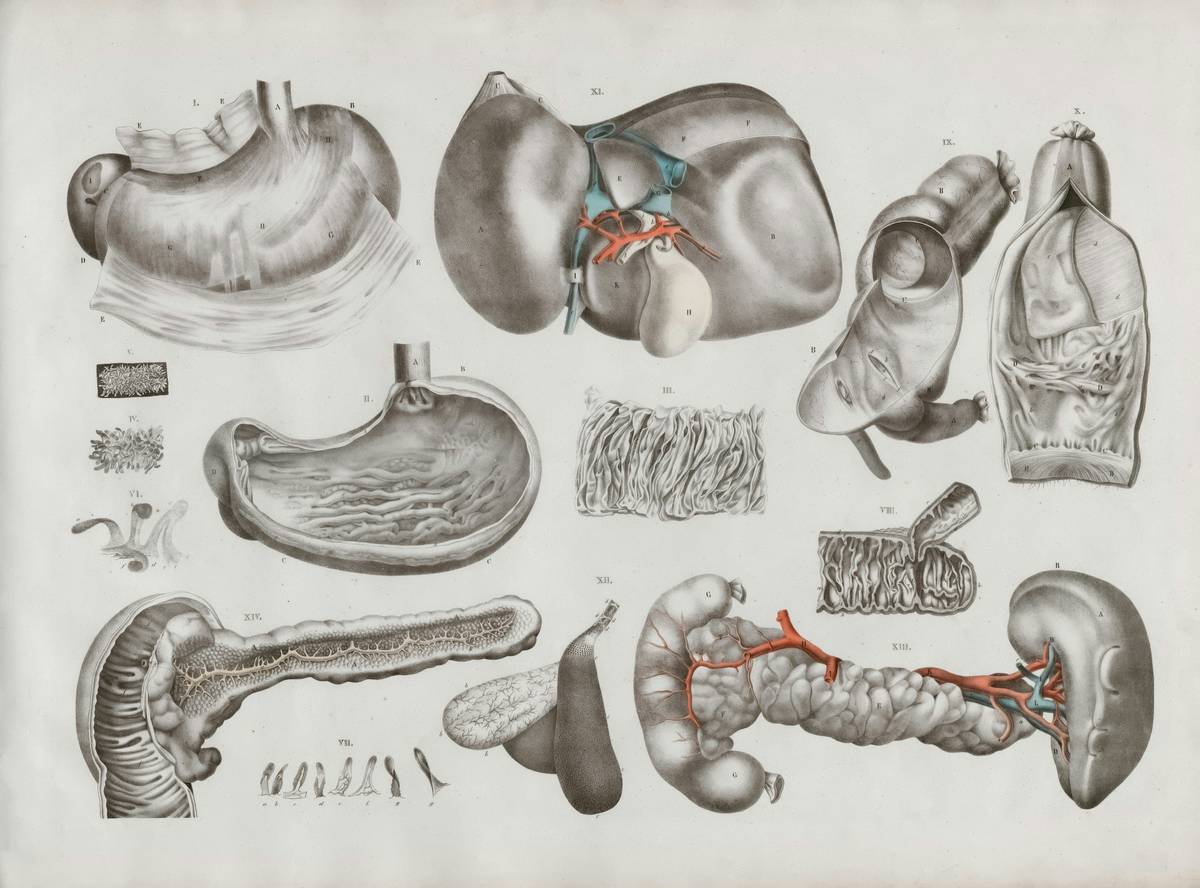
Ever feel like your gut’s got a mind of its own? One day you’re fine—next thing you know, you’re doubled over in a bathroom stall at 2 p.m. on a Tuesday while your stomach sounds like a washing machine tossing bowling balls? Yeah. You’re not alone. Up to 40% of adults globally report ongoing digestive symptoms—and most chalk it up to “stress” or “bad lunch.” But here’s the truth: your digestive system and gut health aren’t just about avoiding bloating or constipation. They’re the command center for your immune response, mood regulation, even skin clarity.
In this post, we’ll break down how your gut actually works (spoiler: it’s more like a bustling city than a food tube), why modern diets are sabotaging it, and exactly what you can do—starting today—to heal from the inside out. You’ll learn the science-backed link between gut flora and brain fog, practical dietary tweaks that don’t require a PhD in nutrition, and one mistake I made that nearly wrecked my own microbiome for good.
Table of Contents
- Why Your Gut Isn’t Just a Food Tube
- How to Support Your Digestive System and Gut Health: Step by Step
- Digestive Health Best Practices That Actually Work
- Real Results From Real Guts: Case Studies
- Digestive System and Gut Health FAQ
Key Takeaways
- Your gut houses 70–80% of your immune cells—making it central to overall wellness.
- Dysbiosis (microbial imbalance) is linked to depression, eczema, autoimmune disorders, and chronic fatigue.
- Fiber isn’t just “roughage”—it’s fuel for beneficial bacteria like Bifidobacteria and Lactobacillus.
- Stress directly alters gut motility and permeability (“leaky gut”) via the gut-brain axis.
- Healing takes consistency—not perfection. Small, daily habits beat drastic cleanses.
Why Your Gut Isn’t Just a Food Tube
Most people think digestion = stomach acid + intestines = poop. Cute. But your digestive system and gut health operate like a high-stakes ecosystem where trillions of microbes call the shots. This “second brain” (aka the enteric nervous system) contains over 100 million neurons—more than your spinal cord—and communicates with your actual brain 24/7 via the vagus nerve.
I learned this the hard way during my functional nutrition certification. After weeks of bloating, erratic energy crashes, and inexplicable joint pain, I did a comprehensive stool test. Turns out, my gut was missing key butyrate-producing bacteria—and overrun with Candida. My “healthy” diet of kale smoothies and gluten-free toast? Starving my microbiome of diversity.
This isn’t rare. A 2021 Nature study found that Western diets (low in fiber, high in ultra-processed foods) reduce microbial richness by up to 40% compared to traditional agrarian societies. Less diversity = weaker immune resilience = higher risk for inflammation-driven diseases.

How to Support Your Digestive System and Gut Health: Step by Step
Step 1: Ditch the “cleanses”—feed your microbes instead
Optimist You: “Start with bone broth and probiotics!”
Grumpy You: “Ugh, fine—but only if coffee’s involved… and also, stop selling me $80 ‘gut resets.’”
Forget juice fasts. Your microbes thrive on prebiotic fiber—found in onions, garlic, leeks, asparagus, oats, and flaxseeds. Aim for 30g+ of diverse fibers daily. One study showed just two weeks of high-fiber diet increased microbial diversity significantly.
Step 2: Reintroduce fermented foods strategically
Sauerkraut, kimchi, kefir, and unsweetened yogurt introduce live cultures—but start slow. I once chugged kombucha daily for a week and ended up with gas that could clear a room. Begin with 1–2 tbsp/day and monitor your symptoms.
Step 3: Manage stress like your gut depends on it (because it does)
Chronic stress elevates cortisol, which slows digestion and increases intestinal permeability. Daily deep breathing (even 5 minutes), walking after meals, or vagus nerve exercises (humming, cold splashes) can calm the gut-brain axis.
Digestive Health Best Practices That Actually Work
- Hydrate wisely: Drink water 30 mins before/after meals—not during—to avoid diluting stomach acid.
- Chew like your gut’s watching: 20–30 chews per bite signals your stomach to release acid and enzymes properly.
- Avoid late-night eating: Give your gut a 12-hour overnight break to repair (e.g., finish dinner by 8 p.m., breakfast at 8 a.m.).
- Prioritize sleep: Disrupted circadian rhythms alter gut microbiota composition within 48 hours (Nature, 2021).
- Don’t over-rely on probiotics: Strain-specific supplements can help (e.g., L. rhamnosus GG for diarrhea), but food-first > pills unless clinically indicated.
The Terrible Tip We All Fall For
“Just eliminate gluten/dairy/sugar forever!” Hard no. Unless you have celiac disease or a diagnosed intolerance, blanket eliminations can backfire—reducing microbial diversity and creating unnecessary fear around food. Always test before you guess (via elimination diet under supervision, not Instagram trends).
Real Results From Real Guts: Case Studies
Case 1: Sarah, 34, suffered from IBS-D (diarrhea-predominant) for 5 years. After a low-FODMAP elimination phase followed by targeted reintroduction + daily flaxseed and ginger tea, her symptom score dropped from 8/10 to 2/10 in 10 weeks (Monash University protocol).
Case 2: Mark, 48, reversed prediabetes markers by adding 40g of mixed fiber daily (chicory root, lentils, berries) and time-restricted eating. His HbA1c fell from 6.1% to 5.4% in 4 months—partly due to improved SCFA (short-chain fatty acid) production from gut fermentation.
These aren’t miracles. They’re microbiology meeting consistency.
Digestive System and Gut Health FAQ
Can gut health affect mental health?
Absolutely. The gut produces ~90% of your serotonin. Dysbiosis is linked to anxiety and depression via the gut-brain axis (Frontiers in Psychiatry, 2020).
How long does it take to heal your gut?
Microbial shifts can begin in 24–72 hours, but full restoration (especially after antibiotics or chronic inflammation) may take 3–6 months of consistent habits.
Are probiotic supplements necessary?
Not for everyone. If you eat 2+ servings of fermented foods daily and consume diverse plants, you likely don’t need them. Exceptions: post-antibiotics, SIBO, or specific conditions like ulcerative colitis.
What’s the #1 sign your gut is out of balance?
It’s not just bloating. Watch for: unexplained fatigue, sugar cravings, skin issues (acne, eczema), frequent illness, or mood swings. Your gut whispers before it screams.
Conclusion
Your digestive system and gut health aren’t just about “regularity”—they’re the foundation of whole-body resilience. By feeding your microbes with diverse fibers, managing stress, and ditching fads for science-backed habits, you can transform not just your digestion, but your energy, immunity, and even your outlook. Start small: add one prebiotic food today, chew your next meal slowly, and give your gut the quiet respect it deserves.
Like a Tamagotchi, your microbiome needs daily care—not perfection, just presence.
Gut grumbles fade,
Fiber feeds the silent crew—
Peace blooms from within.